Lessons from the Field
After years of walking through warehouses and yards with customers, I’ve learned something simple: most racking problems don’t start with catastrophic failure. They start small.
A loose bolt. A forklift bump that slightly bends a column. A load that’s just a little heavier than the rack was designed to carry.
Individually, these things may not seem like a big deal. But over time, they can add up to serious safety risks and costly downtime.
One of the best habits any warehouse or yard operation can build is a regular racking inspection routine. It doesn’t have to be complicated, but it does have to be consistent. Here are a few of the key things I always recommend operators keep an eye on.
Start With the Basics: Load Capacity and Rack Layout

One of the first things I check when walking into a facility is the load notice. It sounds simple, but it’s one of the most important safety indicators in the entire storage system.
Load notices should always be clearly visible and legible. They define exactly how much weight a rack or arm is designed to carry. If those limits aren’t visible – or worse, ignored – then you’re already introducing risk into the system.
I also pay close attention to the rack configuration itself. Over time, systems evolve beyond their original design. Levels get added. Spacing between levels changes. Components get swapped or moved.
Those adjustments may seem harmless, but they can quickly alter how the rack distributes weight and impact overall stability. If the layout doesn’t match the original design specifications, it’s worth taking a closer look.
Check the Connections

Another common issue I see in the field involves the hardware that holds everything together.
Bolts, anchors, and other connection points take a lot of stress over time. Forklift vibration, repeated loading cycles, and general warehouse activity can slowly loosen these connections.
During inspections, it’s important to look for:
- Missing or loose bolts
- Damaged or worn hardware
- Anchors that have begun to loosen or shift
In many cases, simply tightening or replacing hardware early can prevent much larger structural issues later. A torque wrench and a few minutes of preventative maintenance can make a big difference.
Watch for Structural Damage
Forklift contact is one of the most common causes of rack damage, and it’s something I see frequently during site visits.
Operators are working quickly, space is tight, and occasional contact happens. The problem is that rack components are engineered to handle specific loads and forces. Once a component bends or deforms, it may no longer perform the way it was designed.
Some of the warning signs worth paying attention to include:
- Bent rack arms or uprights
- Cracked welds
- Damaged horizontal or diagonal bracing
- Columns that appear to be leaning or bowing
One piece of advice I always share: don’t try to “fix” bent components by straightening them. If an arm or structural component has been compromised, it’s usually best to replace it rather than attempt a repair. It’s actually possible (and common) to make things worse.
Look for Signs the Rack Is Out of Alignment
Another issue that can develop over time is racks shifting out of alignment.
You might notice a column that’s slightly leaning or a row of racks that appears uneven. This can happen for a number of reasons, including floor settling, overloaded arms, or impacts from equipment.
When racks move out of location, it changes how loads are distributed through the structure. In many cases, the solution involves unloading the rack, making adjustments or shimming the base plates, and ensuring everything is properly secured again.
Once the system is realigned, it’s important to inspect the surrounding components to ensure no additional damage occurred.
Recognize What Needs Immediate Attention
While many issues can be addressed during routine maintenance, some situations require immediate attention.
If you see significant structural damage, such as severely bent columns, damaged base plates, or arms that remain permanently deflected after a load is removed, it’s important to offload that section of the rack right away.
These kinds of issues can compromise the structural integrity of the system and should be evaluated and repaired before the rack is put back into service. Critical issues like these can quickly become the type of failures that lead to damaged goods – or even worse, employee injury.
Build Inspection Into Daily Operations
The best inspection programs aren’t complicated; they’re consistent.
I always recommend incorporating quick visual checks into daily operations and conducting more thorough reviews on a scheduled basis. The people who work around the racks every day are often the first to notice when something doesn’t look right.
That’s why training staff to recognize warning signs is so important. When operators know what to watch for and feel empowered to report issues, problems can be addressed long before they become safety hazards. The first steps are to encourage reporting and make it easy to do so.
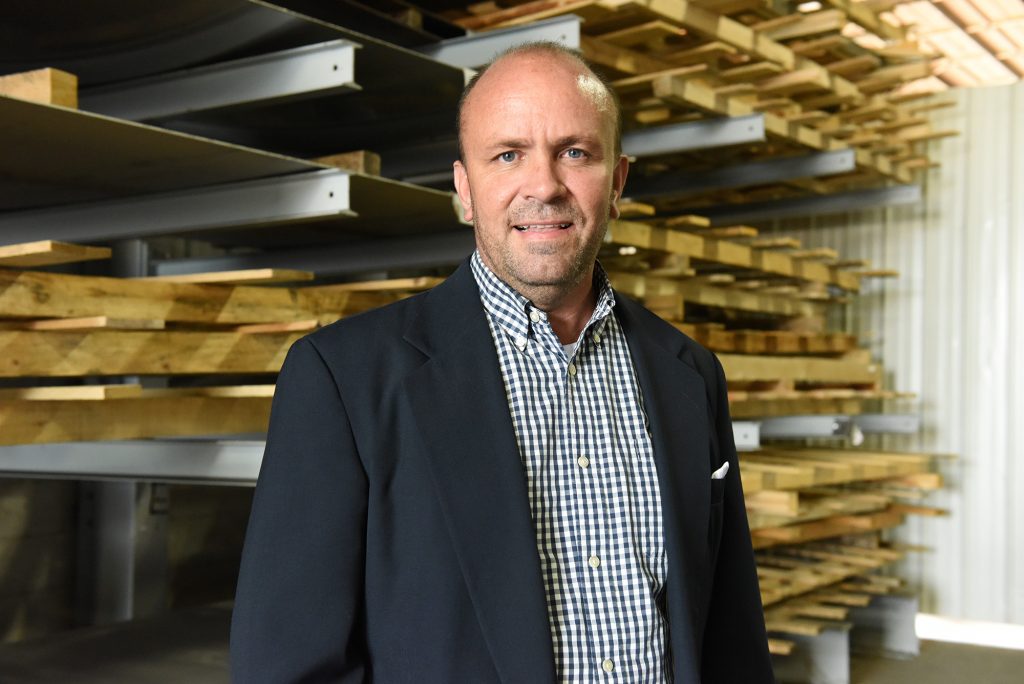
Tracy Buck,
National Sales Manager
Lesson Recap
A Safer Warehouse Starts With Attention to Detail
Racking systems are built to be strong and reliable, but like any piece of infrastructure or equipment, they perform best when they’re maintained properly.
In my experience, the safest facilities aren’t necessarily the ones with the newest equipment. They’re the ones where teams pay attention to the details; checking connections, monitoring load limits, and addressing small issues before they turn into big ones.
A few minutes spent inspecting your racking today can prevent costly repairs, downtime, and safety risks tomorrow. That’s a lesson I’ve seen play out time and time again in the field.