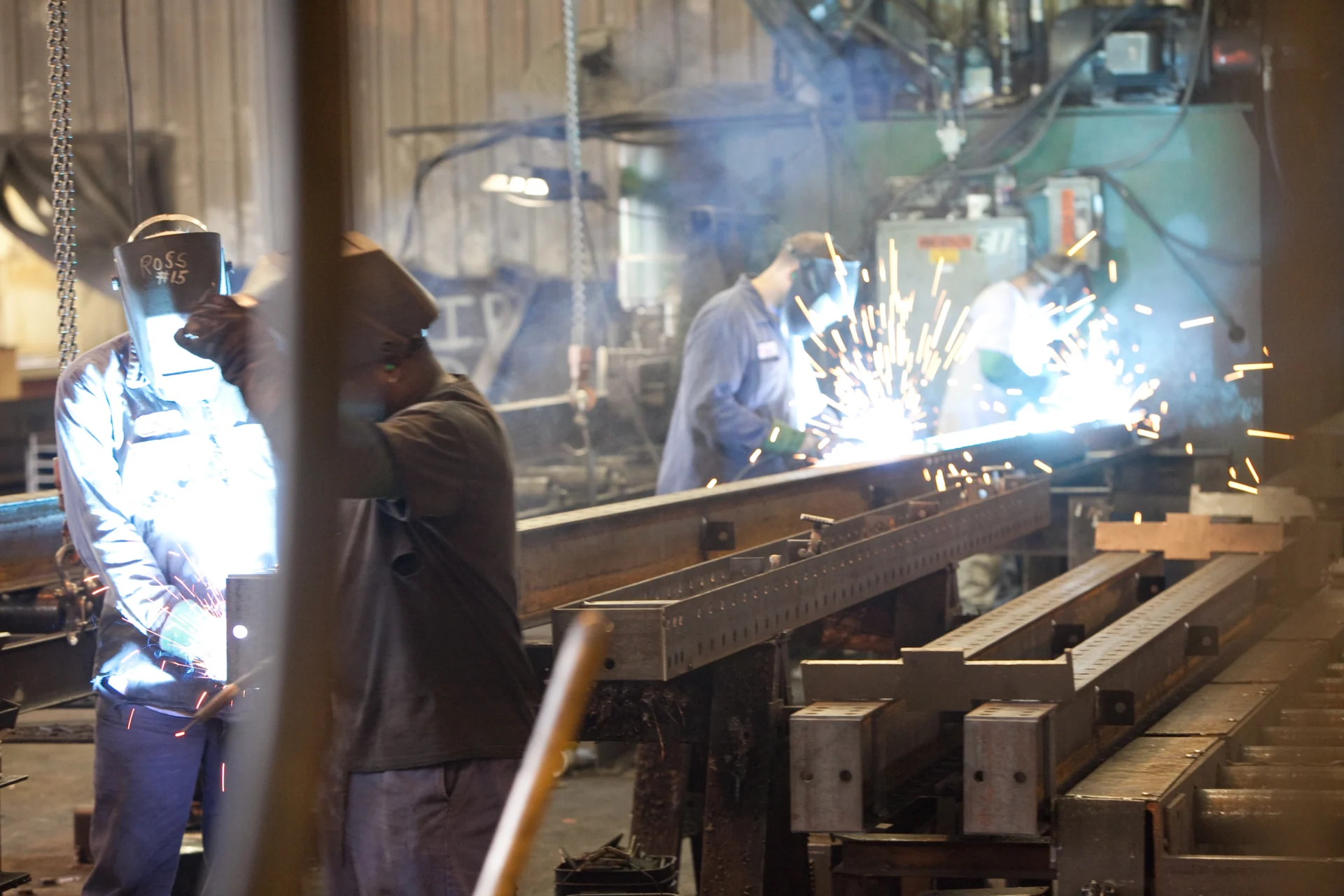
Every year on April 28, the global steel industry pauses to recognize Steel Safety Day, now known as the World Steel Association’s Day for Safety and Health. The day coincides with the UN’s World Day for Safety and Health at Work and serves as a powerful reminder: safety isn’t a priority that shifts with business conditions, it’s a constant.
Originally established in 2014, Steel Safety Day was created to raise awareness around the most common causes of serious incidents in steel environments — and to promote safer working conditions across the industry. Today, its focus has broadened. It’s no longer about a single risk or theme; it’s about reinforcing a culture where safety and health are embedded into every process, every system, and every decision.
That message resonates far beyond steel mills. Anywhere steel is stored, handled, or moved — especially in warehouses and industrial facilities — the same principles apply.
Safety Is Built Into the System
Poorly designed or improperly installed racking introduces risk from day one. Load imbalances, insufficient clearances, and a lack of impact protection can all lead to failures that put workers in harm’s way. Safer operations begin with engineered systems designed for the specific demands of the environment, taking into account load types, throughput, and facility constraints.
Just as importantly, safety must extend below the surface. Floor conditions, slab strength, and anchoring integrity are often overlooked, yet they play a critical role in maintaining the stability of racking systems under real-world conditions.
A Strong Safety Culture Reduces Risk
Steel Safety Day emphasizes that safety is a shared responsibility, and that’s especially true in warehouse environments.
Facilities with strong safety cultures don’t treat compliance as a checkbox. They invest in training, reinforce best practices, and empower employees to identify and report risks. From forklift operators to facility managers, everyone plays a role in maintaining a safe environment.
Training is particularly critical as operations evolve. New equipment, shifting inventory profiles, and changing workflows can introduce new hazards if teams aren’t properly prepared.
Inspection and Maintenance Can’t Be an Afterthought
The truth is, even the best-designed systems degrade over time. Routine inspections are essential for identifying damage early, whether it’s a bent upright, a compromised beam, or a loose anchor. Small issues, if left unaddressed, can escalate into serious safety risks.
A proactive approach to maintenance not only extends the lifespan of racking systems but also ensures that facilities remain compliant with safety standards and better prepared for audits.
Turning Awareness Into Action
Steel Safety Day exists to drive awareness, but awareness alone isn’t enough. The real impact comes from what happens next. For warehouse and industrial operations, that means taking a closer look at the systems, structures, and processes that support daily work.
Key questions to ask include:
- Are racking systems designed for current loads and workflows?
- Are inspections happening regularly, and are they being acted on quickly?
- Is safety training keeping pace with operational change?
Steel will always be at the core of industrial operations. Ensuring it’s used, stored, and supported safely is what protects the people who rely on it every day.
Because at the end of the day, safety isn’t just about meeting standards, it’s about making sure everyone goes home.
Safety Resources
Here at Dexco, we take safety seriously. Here are some safety-related resources that you might find helpful:
- Safety Starts With Better Racking
- https://www.dexcoracks.com/news/lessons-from-the-field-safety-checks-every-facility-should-perform-on-their-racking/
- Rack Maintenance: Ensuring Safety and Longevity in Your Warehouse
- Environmental and Flooring Checks: The Overlooked Foundation of Safe Racking Systems


