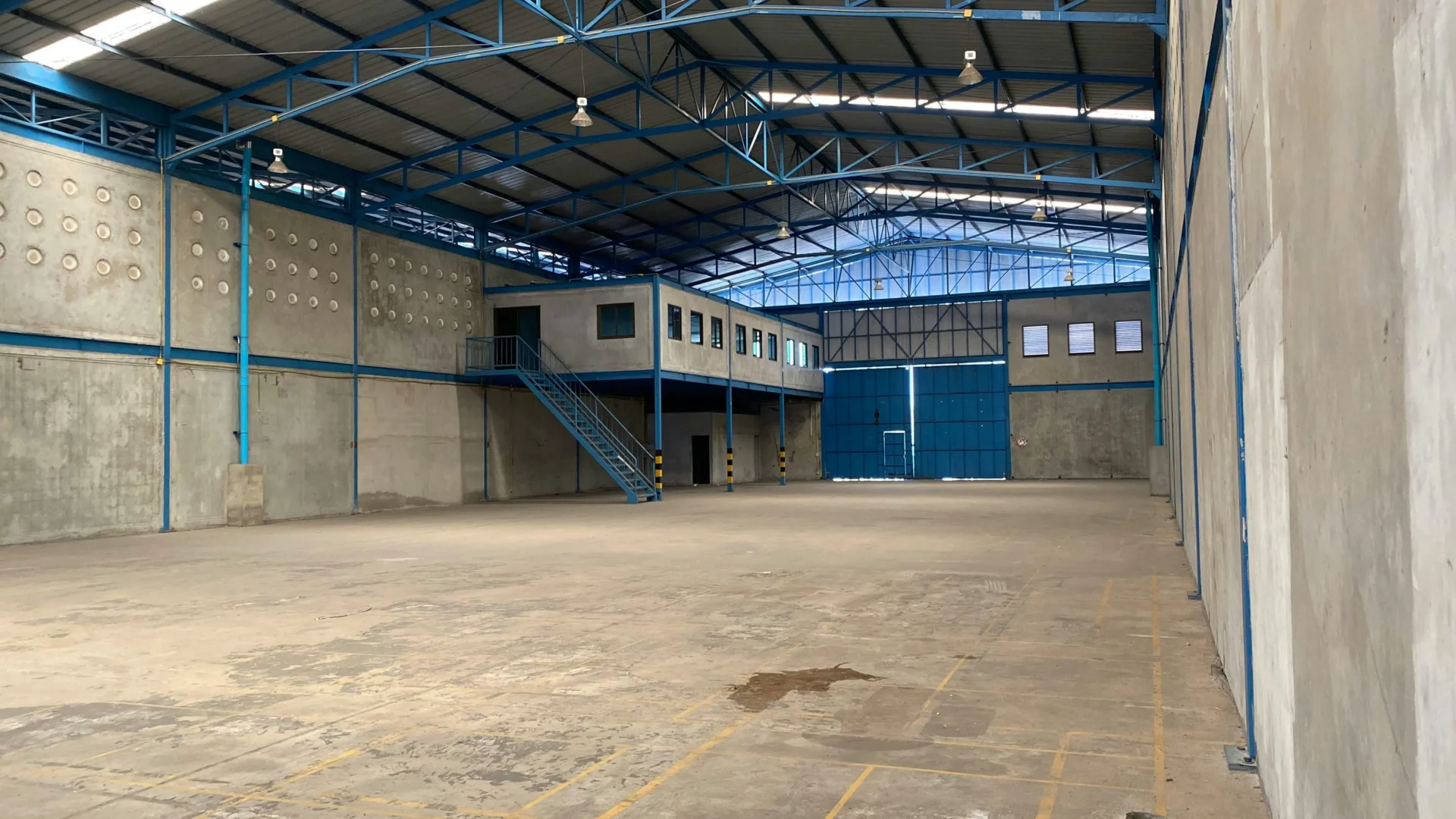
When planning a new racking installation, most attention naturally goes to layout optimization, load capacity, and operational efficiency. But beneath every well-designed system is a far more fundamental consideration, one that is often overlooked until it becomes a problem: the condition and capability of the floor itself.
In industrial environments where racking systems are expected to support thousands — or even tens of thousands — of pounds per bay, the integrity of the concrete slab is not just a technical detail. It is the foundation of safety, compliance, and long-term performance.
Why Flooring Matters More Than Ever
Modern warehouse operations are pushing the limits of storage density. Higher racks, heavier loads, and tighter footprints all translate into increased point loads being transferred directly to the floor. Unlike uniform loads, which are distributed evenly, point loads concentrate force in specific areas, typically where rack uprights meet the slab.
If the slab isn’t designed to handle those forces, the risks are significant: cracking, settling, anchor failure, or even catastrophic collapse in extreme cases.
That’s why understanding two key factors is essential before installation begins:
- Concrete thickness – Determines how well the slab can distribute loads.
- Concrete strength (PSI) – Indicates the material’s ability to withstand compressive force.
Without this information, any racking design is based on assumptions, and assumptions can be costly.
The Role of Geotechnical and Structural Evaluation
In many cases, verifying slab conditions goes beyond reviewing old building drawings (if those drawings are even available). This is where geotechnical reports and concrete testing come into play.
A geotechnical evaluation provides insight into what lies beneath the slab, including soil composition, compaction, and load-bearing capacity. These factors directly influence how the slab performs under stress. Meanwhile, concrete core sampling and testing can confirm actual slab thickness and strength, rather than relying on outdated or incomplete documentation. Together, these assessments provide a clear picture of whether the existing floor can safely support the intended racking system, or whether modifications are needed before installing the racks and storing the materials.
Increasing Scrutiny and Evolving Requirements
Across many regions, particularly in areas with higher seismic activity or stricter building oversight, these evaluations are no longer optional. Requirements for stamped engineering drawings and verified load calculations are becoming more common, even for facilities that previously operated without them.
In some cases, a Professional Engineer (PE) stamp may be required to confirm that a racking system meets local codes and safety standards. This is especially true when installing high-density or tall racking systems, operating in seismic zones, applying for occupancy permits or undergoing inspections, or leasing a facility where liability requirements are stricter.
Even in regions where enforcement has historically been less rigorous or non-existent, that is changing. More municipalities and inspectors are requiring documented proof that both the racking system and the supporting slab meet applicable standards.
The Cost of Skipping the Process
For facilities that move quickly to installation without completing these checks, the consequences can be disruptive and eventually very expensive.
Projects may be delayed if inspectors request documentation that doesn’t exist. Worse, installations may be halted entirely until proper testing and engineering validation are completed. In some cases, facilities have faced daily fines or been forced to shut down operations temporarily until compliance requirements were met.
Even when issues don’t surface immediately, inadequate flooring can lead to long-term maintenance problems, safety risks, and reduced system lifespan.
Understanding Load Types: Point vs. Uniform
One of the most misunderstood aspects of racking design is how loads interact with the floor. Uniform loads are spread across a surface, such as inventory sitting directly on the floor
Point loads are concentrated at specific contact points; for example, rack uprights anchored into concrete.
Racking systems primarily introduce point loads, which place significantly more stress on smaller areas. This distinction is critical because a floor that performs well under uniform loads may still fail under concentrated point loads. Understanding this difference is key to evaluating whether an existing slab is truly suitable for a new storage system.
When and How to Conduct Testing
So, that raises the question of how will you know if testing is needed?
In general, it’s wise to undertake slab and soil evaluation if:
- Building documentation is incomplete or unavailable
- The facility is being repurposed for heavier storage
- Racking systems are being relocated from another site
- Local permitting or inspection processes require verification
- There is any uncertainty about the load capacity
Testing is typically conducted by third-party engineering or geotechnical firms, which can perform concrete core sampling, soil analysis, and load calculations. These partners provide the data needed to inform safe design decisions and satisfy regulatory requirements.
Building Confidence from the Ground Up
At its core, investing in environmental and flooring checks is about more than compliance; it’s about confidence. Confidence that the storage system you install today will perform safely and reliably for years to come. Confidence that your facility can pass inspections without disruption. And confidence that your team is operating in a safe environment.
Here at Dexco, these considerations are part of a broader commitment to delivering racking solutions that are not only efficient but custom-engineered with the realities of each facility in mind. By addressing flooring and environmental factors early in the process, projects can move forward more smoothly, with far fewer surprises.