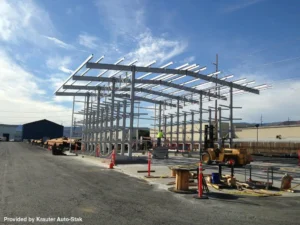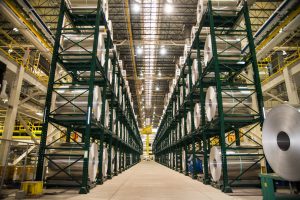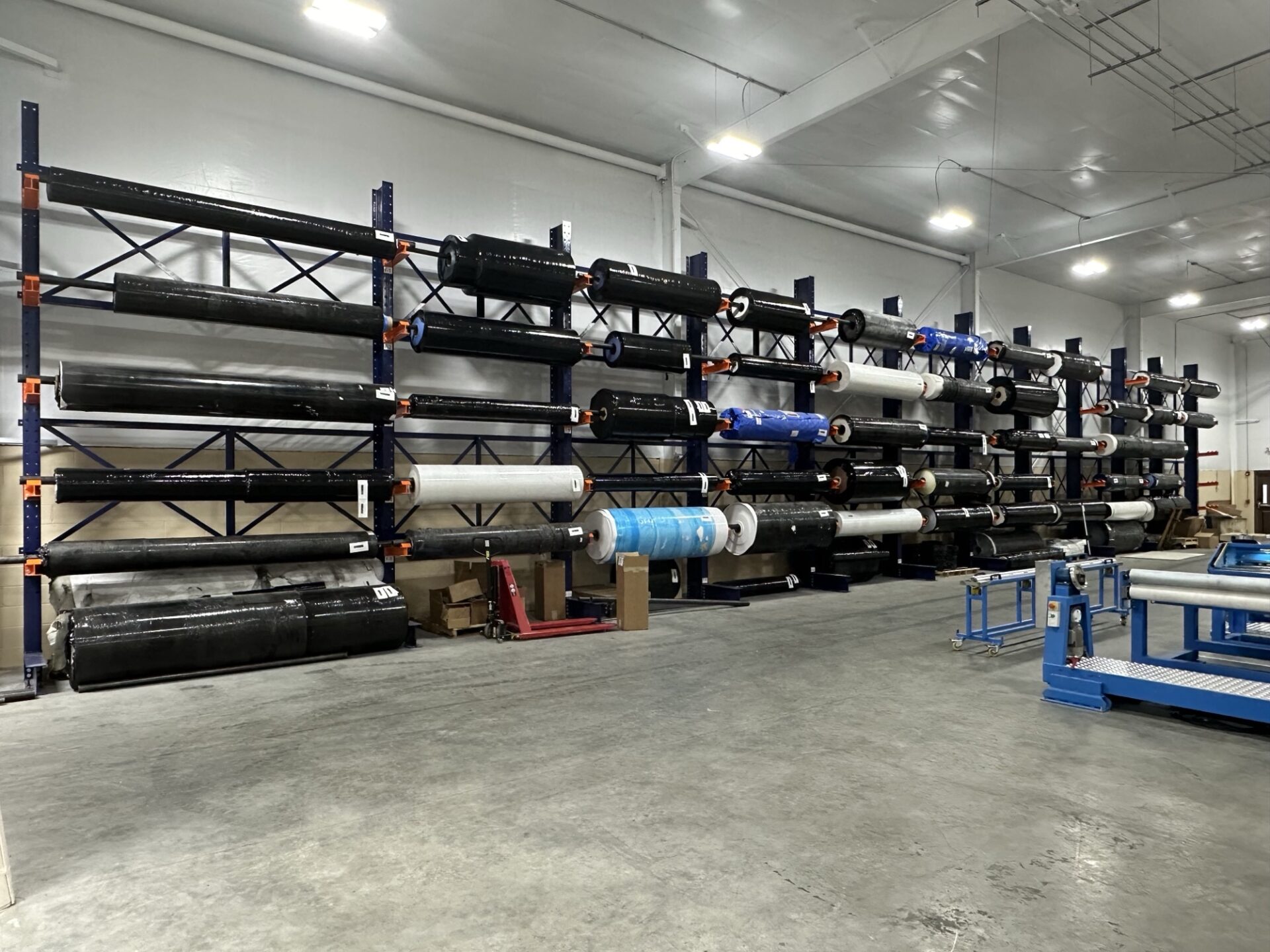
In nearly every warehouse, the efficiency of your material flow and the safety of your employees are top priorities, yet many operations overlook the role that industrial racking systems play in both. Far too often, leadership focuses on training programs, safety signage, and floor-level organization without giving equal attention to the steel structures that support the entire storage ecosystem. But the reality is simple: racks aren’t just storage, they’re an important pillar of an organization’s safety.
Safety Begins With Quality Racking
Poorly designed or low-quality racking is a risk. Collapsed shelves, unstable loads, sharp edges, and systems that aren’t engineered for their specific application can cause injuries and costly downtime. Even well-trained workers can’t compensate for weak infrastructure.
The fact of the matter is that better racking can quickly change that dynamic. Here are just a few ways:
- Structural Integrity – Systems built from engineered I-beams and heavy-duty steel retain strength under load, resist forklift impacts, and maintain vertical alignment over years of use.
- Customized Solutions – A purpose-built system designed around your unique inventory, regardless of whether it’s coils, bars, sheets, or oversized tooling, eliminates guesswork about load limits and reduces the chance of overloading or tipping.
- Enhanced Visibility and Control – Open designs and clearly labeled capacity ratings aren’t cosmetic or ‘nice-to-haves.’ They are essential, risk-reducing features that help workers load and unload with confidence and in compliance.
Warehouse Safety Isn’t Optional, It’s Regulated
In the U.S., OSHA sets standards and expectations for storage areas and equipment to ensure warehouses remain safe environments to work in and be around. While not every racking requirement is spelled out in the regulations, general requirements around secure storage, i.e., preventing materials from falling, sliding, or collapsing, clearly apply.
This means that:
- Materials must be stored to ensure stability and security, particularly when stacked in tiers.
- Clearly defined weight limits should be posted and enforced to protect both employees and inventory. Visible load signage helps ensure compliance and improves awareness.
- Aisles and pathways need to remain unobstructed for safe forklift operation and emergency egress.
Investing in engineered racking systems that meet or exceed these expectations helps an organization build a defensible safety program that aligns with current industry guidance.
Maintain Your Racks Like You Maintain A Fleet
In every industry, great equipment only delivers its full value when properly maintained and used correctly. The same can be said for industrial racking. A damaged beam or dented upright doesn’t just look bad; it changes load paths or creates hazards for operators – and stored goods.
A proactive maintenance program should be built around consistent, structured oversight. That starts with daily visual inspections to check for dents, corrosion, missing hardware, or any signs of impact that could compromise structural integrity. It also requires regular load verification to ensure components are not being pushed beyond their design limits.
Beyond day-to-day checks, periodic expert reviews are essential to identify subtle issues before they escalate into serious safety concerns. Finally, documenting identified issues and the corrective actions taken not only reinforces a strong safety culture but also ensures ongoing regulatory readiness.
Proper maintenance programs are the best way for an organization to protect against the sorts of major failures that can halt operations and expose the team to risk.
Think Long-Term: Flexibility and Growth
Put simply, effective storage and racking isn’t static. A business will grow or shrink, product lines will evolve, and storage demands will shift. A well-engineered storage system that can be reconfigured, expanded, or adapted offers both operational agility and long-term cost savings.
Instead of repeatedly replacing short-term shelving, investing once in a modular, high-capacity structure can dramatically improve:
- Storage density and vertical utilization
- Accessibility for material handling equipment
- Employee confidence and safety
- Your ability to integrate automation down the line
Lead With Safety
A safer warehouse isn’t achieved through posters and checklists alone. It begins with the unseen backbone of your facility: the storage and racking systems that touch every inventory movement, forklift pass, and daily task. By investing in engineered, durable, and maintenance-ready solutions — ones that are aligned with safety standards and operational goals — you can set a foundation that will protect both employees and overall productivity.
If you’re ready to rethink how storage systems can elevate both the safety and operational performance of your organization, reach out to us here, and let’s explore how Dexco can support your next phase of growth.