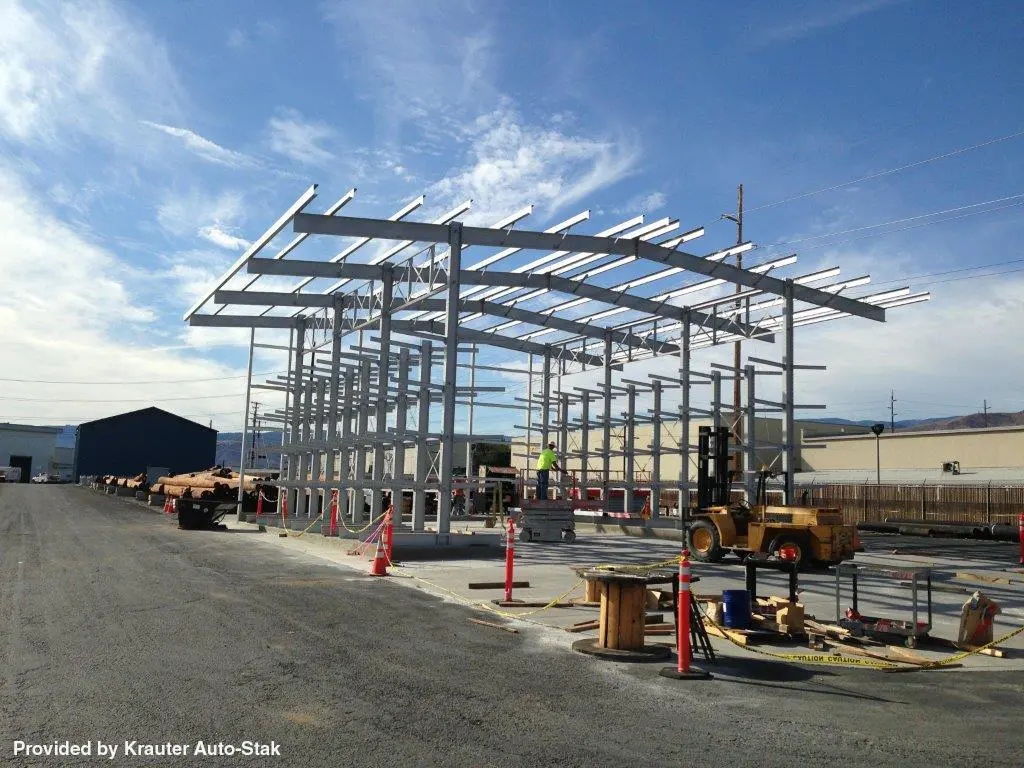
Lessons On Keeping Your Operation Running During Upgrades
If you’ve ever overseen a racking install in the middle of an active operation, you know the drill. Production doesn’t stop. Forklifts still need access. Inventory still has to move. And every hour of downtime feels like someone’s lighting money on fire.
Over the years, I’ve learned that the difference between a smooth installation and a chaotic one usually comes down to decisions made long before installers arrive on-site. The right rack system, paired with thoughtful planning, can dramatically reduce disruption, protect productivity, and keep your team safe.
Here are some of the key strategies I’ve seen make the biggest difference during installation:
Start with a Storage Strategy, Not Just a Purchase
One of the most common mistakes we see is choosing storage before defining the bigger picture: how materials flow, where bottlenecks occur, and what equipment needs to be accessible during the installation. When you map these pieces first, you can select a racking solution that not only fits the space but also supports staged installation, temporary storage, and phased transitions. That upfront planning cuts hours — sometimes days — off your downtime.
Choose Engineered Racks That Install Cleanly and Predictably
Not all racks install at the same pace. Engineered systems designed with modular components, preconfigured uprights, and simplified anchoring points can significantly shorten installation time. The more predictable the system, the fewer surprises on the floor, and the more likely you’ll hit your production schedule without interruption. Well-designed racks also reduce the need for on-site modifications, which is where delays usually creep in.
Plan for Temporary Storage Before the First Bolt Is Set
During the installation window, parts and materials will need somewhere to go. If that plan isn’t crystal-clear, you end up with pallets stacked in aisles, blocked forklift paths, unsafe staging areas, and frustrated employees.
A smart strategy includes:
- pre-defined temporary pick locations
- consolidation of low-movement inventory
- short-term racks or cradles for oversized materials
- coordinated sequencing so only the necessary area is taken offline
This approach keeps operations flowing while giving installers the room they need to work safely.
Break Installations into Phases to Keep Work Moving
The fastest installs we’ve been part of didn’t happen because we rushed – they happened because we broke the job into logical phases. That might mean completing one section at a time, or finishing one side of a building before shifting to the other. Phasing lets production continue in parallel and minimizes the shock to everyday operations. It also gives your employees time to acclimate to the new layout as it comes together, reducing confusion and improving material flow once everything is in place.
Be Prepared
I know, I know – it sounds like common sense. But you’d be surprised just how many installations I’ve been at where the folks in charge forgot to check the weight and load limits of the floors they’re installing storage on. Or who had purchased concrete, but had no way to mix and install it. Or who had the equipment delivered, but forgot to order an appropriate forklift to remove the equipment and move it to the proper location. Or who didn’t look to see where the electrical connections were located. Or who didn’t schedule employees to help with the move. This is what we mean when we say be prepared. Make a list. Check it. Walk through each process before the day comes, as that will help you identify any elements or needed tools you may have missed.
Still need help? Dexco’s put together an Industrial Storage Project Management Guide that you can download for free – check it out here.
Use Racks Designed to Adapt as You Grow
Another contributor to downtime? Future reconfiguration. If the rack installed today will need to be reworked in six months when production shifts, you’re setting yourself up for repeated interruptions. Racks with adjustable arms, modular bays, and configurable load capacities eliminate or reduce the need for future tear-downs. They grow with your operation, reducing the frequency and impact of future installs or reconfigurations. That flexibility alone can save weeks of cumulative downtime over the life of the storage system.
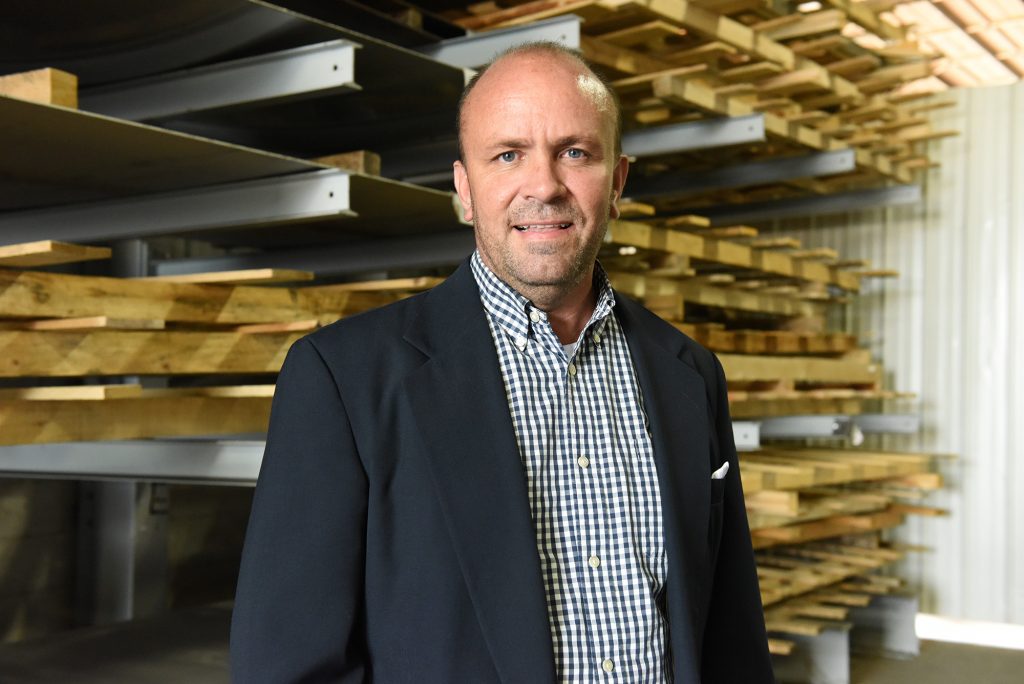
Tracy Buck,
National Sales Manager
Lesson Recap
Installation downtime is expensive – and often unnecessary. With the right planning and the right racking system, you can keep materials flowing, avoid production slowdowns, and complete upgrades safely and efficiently.
It’s simple: don’t think of installation as a disruption. Think of it as a controlled transition supported by the right equipment, smart sequencing, and engineered racks that make the process as smooth as possible.
If you’re planning an upgrade or expanding your storage footprint, I’m always happy to walk the floor, look at your workflow, and talk through ways to minimize downtime. The right approach can make all the difference. Reach out to us here and let’s see how we can work together on the perfect storage solution for your organization.


